City College of San Francisco
LGBTQ+ Medical Case Scenarios: An Experiential Learning Perspective
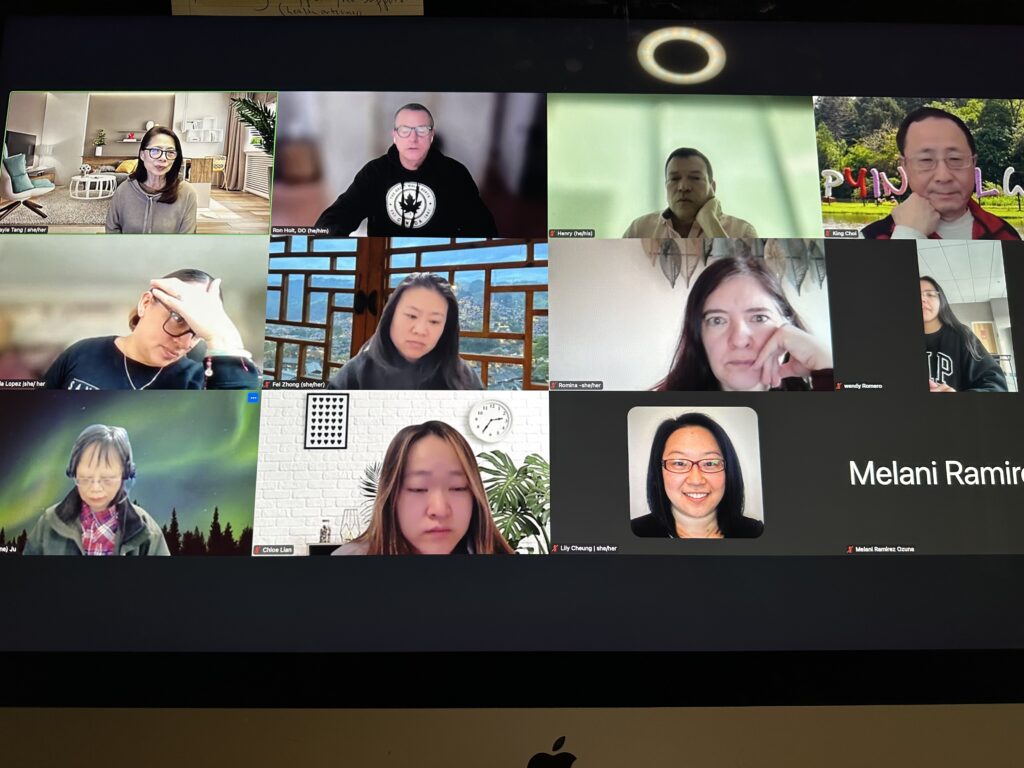
This presentation consisted of reviewing LGBTQ+ medical case scenarios through the lens of City College of San Francisco medical interpreter students. Each of the students read and studied three LGBTQ+ themed vignettes and associated discussion points before class. This allowed for a robust, highly interactive class discussion on how medical interpreters can collaborate with clinicians in providing more culturally competent care to the LGBTQ+ community.
The audience consisted of medical interpreter students.
Written Student Feedback:
Dr. Ron Holt’s presentation is informative and engaging. It started with case studies with group discussions. Going through the case studies with peers has allowed me to unwrap the concept with detailed scenarios in medical settings. The case studies have made me realize, in a sense of justice and equity, how challenging could be for individuals of the LGBTQIA community. I have had basic training on LGBTQ at work, but it stays at a superficial level. It doesn’t allow me any specific skill or knowledge to help in particular. Today, I learned gender nonconforming doesn’t mean gender identity. I’ve got more clear with the concept of sex, gender identity, sexual orientation, etc. What I learned from today’s presentation is to be more aware of LGBTQIA issues, learn about their experiences, and provide different levels of support based on individual needs. It can start with addressing them properly and treating everyone fairly without discrimination, focusing on ensuring everyone has access to essential services regardless of their background.
The vignettes are very well chosen and interesting. They cover the topic broadly with thought-provoking discussion questions. I learned a lot about the topic, and the inner struggles these people face in a majority culture who may not understand them. I learned the importance of unconditional love & acceptance, non-judgmental, and respect toward others.
I learned how to better communicate with individuals that I’m not sure of their pronouns and to be more sensitive with our trans community. Today’s class opened my eyes to the struggles of our LGBTQIA community, and it empowered me to be more conscious and respectful and to do what I can to improve my interaction.
Informative and constructive. I learned: Empathy and Compassion. While interpreters are not clinicians, they play a vital role in the patient’s experience of care. The vignettes remind us that empathy and compassion are just as necessary for interpreters as they are for healthcare providers. By being attentive and respectful, interpreters can help create a space where LGBT patients feel more comfortable and confident in seeking care. Interpreters must remain neutral and professional, particularly when discussing sensitive subjects like gender identity and sexual orientation. The vignettes highlight the importance of interpreters being mindful of their own biases, while ensuring that their role is to facilitate understanding without judgment.
Thank you, Dr. Ron to share about the LGBTQ community. I didn’t know much about this topic before, especially the differences between gender identity and social identity. Your explanation helped me understand a lot, and I really appreciate the opportunity to learn more. After discussing with my peers, I learned that LGBTQ communities often face health disparities and barriers in healthcare. They frequently experience discrimination or inadequate care. How can we bring about change? Perhaps raising awareness among the majority population would help, but that may take a long time. Empathy training is essential, as many people have not received proper training. Before assessing a patient, reviewing their chart can reduce misunderstandings or unconscious behaviors that may make patients feel disrespected. Most importantly, we need to show empathy toward transgender individuals.
Today’s discussion helped me gain a better understanding of the LGBTQ community, especially about gender identity and social identity. I feel more aware of the challenges they face and how important empathy and respect are in interactions. This will encourage me to be more open-minded and considerate when communicating with others, especially those from diverse backgrounds.
Today’s vignettes were very interesting and informative. This opened my eyes to the way the LGBTQIA community is looked at and treated. I never knew that they had to deal with all these issues. I learned a lot more about the LGBTQIA than what I knew. I didn’t know all the information about this. I definitely learned a lot but still not have full knowledge. Today’s activity made me learn and see how the LGBTQIA community is discriminated unintentionally on a daily basis. Now, I understand their frustration and why it is so hard for them to feel heard and accepted.
It was a great training that gave my peers and I the tools and language to create more safe and welcoming environments for people in the LGBTQIA+ community whether they are friends, family or community members. Language is important and today I learned the definitions of words that I could not explain or differentiate before. One key thing I learned is that gender identity dictates the label an individual may identify with, and it is important to not get trapped into anatomy because gender and sex are not the same. I will approach my interactions with a more trauma informed perspective. In my role as an interpreter, I feel more confident advocating for patients who may be experiencing inappropriate behaviors such as misgendering so that everyone is always treated with dignity and respect. This also includes holding myself accountable when I make assumptions. To start I will remember to ask for pronouns, be open and continue to educate myself.
I believe the vignettes did a good job at covering different topics that pertain to the LGBTQ+ community. It also presentes situations to us that we may not be aware of as something that can be a barrier, challenge or form of discrimination against this community. The most important thing I learned is that there are terms and concepts that emerge and continue to develop. Therefore, it is important to not assume but rather ask or use neutral language when discussing topics regarding sexual orientation, gender, identity, etc. I will work towards integrating gender neutral language in my everyday conversation.