City College of San Francisco
LGBTQ+ Medical Case Scenarios: An Experiential Learning Perspective
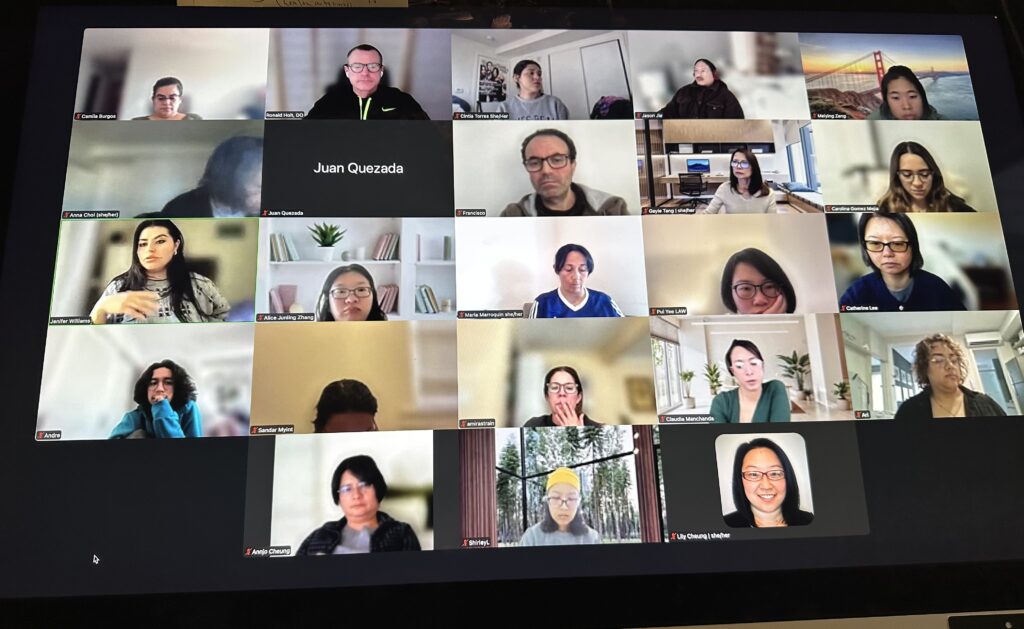
This presentation consisted of reviewing LGBTQ+ medical case scenarios through the lens of City College of San Francisco medical interpreter students. Each of the students read and studied three LGBTQ+ themed vignettes and associated discussion points before class. This allowed for a robust, highly interactive class discussion on how medical interpreters can collaborate with clinicians in providing more culturally competent care to the LGBTQ+ community.
The audience consisted of medical interpreter students.
Written Student Feedback:
This class was amazing, a lot to learn and a lot learned. It was an amazing and interesting class. I didn’t think this experience would have been this good. I learned to always use the same words that the other person used, be careful on how you approach and talk to people, always show support, and be supportive. Just because people may be born being girls or boys doesn’t mean they identify as male or female. I will be accepting, treat people with respect, be kind. We may not all be the same or have the same sexual orientation but that doesn’t mean one person is more than the other. We are equal.
Dr. Holt’s lecture provides a great educational resource for the general public to better understand the LGBT community. As mentioned in vignette #3, medical professionals should have training in this area. The vignettes provide good discussion for the general public to better understand the LGBT community and the frustrations and challenges they face. I learned: Be respectful, do not assume, and someone would “come out” if they are ready. It takes them much courage to come out. If someone comes out to me, I would thank them for sharing it with me, keep it confidential, and let them know that I support them and I am “here for them.”
I love this talk, I feel that it was a good way to learn how to be respectful, but also open for anyone who needs to talk. I learned: How to present to the other person as a safe place, showing them that I won’t change, no matter what their preferences are.
Thank you for the vignettes. They describe real cases and are helpful for self-reflection and knowing what to do in those situations. I learned: How to identify sexual orientation with different gender associations by the person. I will start introducing myself with pronouns so that the other person can introduce themselves. Let your close friend/colleague know you are there; nothing will change the relationship. Just be there for them whenever they are ready.
Pretty useful information to understand how trans, cis and bisexual groups live and what concerns they have in life. I didn’t know that trans-male suffer more stress and pressure from society before this lecture. And didn’t know the bisexual suffered even more society pressures. Good to learn this info in this lecture. It helps me understand the transgender, bisexual and cisgender world more and it helps me serve those groups better.
I gained a deeper understanding of how sensitive gender and sexuality are for each individual. I have learned the importance of listening and observing carefully to meet each person’s unique needs. This ensures that I am providing patient-centered care and respecting their personal identity throughout every session. The most important takeaway is that every person has their own unique perspective, thoughts, and inner life. It is essential to listen and observe closely to truly understand the specific needs of each individual rather than making assumptions based on outward appearance. As an interpreter, remaining patient-centered by respecting each person’s self-identification and providing a safe, accurate voice for their personal journey. Interacting with the group made me realize the vital importance of neutrality and confidentiality, staying focused on the patient’s current needs rather than just the background files.
The speaker was engaging and shared their story in a way that was easy to connect with. I learned how important it is for someone to feel comfortable with their identity, especially in environments like a doctor’s office where people can feel comfortable. As a medical receptionist, I am often the first person a patient interacts with. This session will remind me to be more mindful of the language I use and to create a more welcoming and judgement-free space for everyone, from the very first greeting.
It was a great time to discuss based on different scenarios. Love to learn from Dr. Ron and other classmates’ perspectives. Labeling occurs based on a person’s appearance or their sexual behavior, such as straight, gay, or bisexual. Using wrong labeling contradicts personal behavior and can cause a complete breakdown, leading to physical and mental health problems. Surprisingly found out that the transgender suicide rate is higher than that of other LGBTQ people. I am very glad that I disclosed myself as a lesbian and gave myself a chance to live truly as myself. I am truly proud of who I am now.
Dr. Holt was a great lecturer. He dissipated all doubts concerning to LGBTQ+ community in a such knowledgeable and welcoming way. I leaned a lot about gender dysphoria. I will be able to address LGBTQ+ people in a more appropriate manner.
It was a great class, didn’t interact as much as I would like to but hearing what classmates would comment and listening to Dr. Ron’s explanations provided a more clear understanding on the topic. It’s not a complicated topic; it requires empathy, understanding, and an open approach to how others are navigating life. This was a huge takeaway. My approach to others will definitely be different, as I feel I’ve been given the tools to connect with those who are going through difficult times related to this topic.
I really like this session. It was so interesting to go deep on this important topic that deserves attention. It was great to look for different approaches to deal with specific situations as a medical interpreter. How big is the impact when the other person feels questioned or judged if I ask something is not appropriate. The percentages of suicide on the LGTB community. I will definitely be more cautious when I approach this specific community. I will also make sure I ask for their preferred pronouns to refer to them before starting a session, and I will make sure that person feels comfortable around me during our encounters.
It was a great interactive session as the case study did had us working our brain. These scenarios can happen and by talking about it teaches us how we can react to it when similar incident happens. I learned that gender identity is tied with sexual orientation. And these can change according to the different phase a person might be in and identify as. I will be more mindful of not asking too much about a person’s identity unless they are willing to share. And to always ask for their pronouns and create a safe space for them to be open.
Dr. Holt’s session on the LGBTQIA community was truly eye-opening for me. I realized that while I had some general knowledge, I didn’t fully understand the importance of certain terminology and how much language matters in creating a respectful environment. The discussion helped me become more aware of the experiences and challenges LGBTQIA individuals may face, especially in healthcare settings. It made me reflect on my own role and responsibility in ensuring that every patient feels seen, respected, and safe. This session encouraged me to be more intentional about practicing inclusion and cultural sensitivity in my future career. I learned the importance of avoiding assumptions about sexual orientation or gender identity and using correct pronouns and inclusive language. I also gained a better understanding of the barriers LGBTQIA individuals may face in healthcare and how I can help create a respectful, supportive environment. This activity has made me more mindful of using respectful and affirming language in my interactions. I now better understand how the words I choose, the pronouns I use, and the assumptions I avoid can help create a safe, nonjudgmental environment. Moving forward, I will be more intentional about fostering inclusivity, practicing empathy, and ensuring that everyone I interact with feels respected and supported.